
How Often Should You Test Your Pool Water?

Keeping your pool water balanced is one of the most important parts of pool ownership. Regular water testing helps prevent algae, protects your pool equipment, keeps swimmers safe and can save you money by avoiding costly repairs.
At Versed Pools, we recommend testing your pool water regularly throughout the year, with the exact frequency depending on the season and how often the pool is used.
How Often Should You Test Your Pool Water?
As a general guide:
Summer: Test your pool water two to three times per week.
Spring and Autumn: Test once or twice per week.
Winter: Test every one to two weeks if the pool remains in use and the filtration system is running.
If your pool experiences heavy rain, a heatwave, strong winds, a pool party, or a sudden increase in debris, it's a good idea to test the water again, even if you've recently done so.
What Should You Test?
A complete pool water test should include:
Free chlorine
pH
Total alkalinity
Stabiliser (cyanuric acid)
Salt level (for saltwater pools)
Calcium hardness
These values work together to keep your water clean, comfortable, and balanced.
Why Regular Testing Matters
Pool water chemistry can change quickly, especially during Canberra's hot summers.
Testing your water regularly helps:
Prevent algae growth
Keep the water clear
Protect pumps, filters and chlorinators
Reduce unnecessary chemical use
Extend the life of your pool equipment
Provide a safer swimming environment for your family
Ignoring water chemistry for even a couple of weeks during summer can allow algae to develop, turning a simple maintenance job into an expensive pool recovery.
Signs Your Pool Water Needs Testing
Don't wait until your water turns green. Test your pool if you notice:
Cloudy water
A strong chlorine smell
Algae starting to form
Eye or skin irritation
Slippery pool walls
Reduced chlorine readings
Heavy rain or storms
These are all signs that your water chemistry may have changed.
Can I Test My Pool Water Myself?
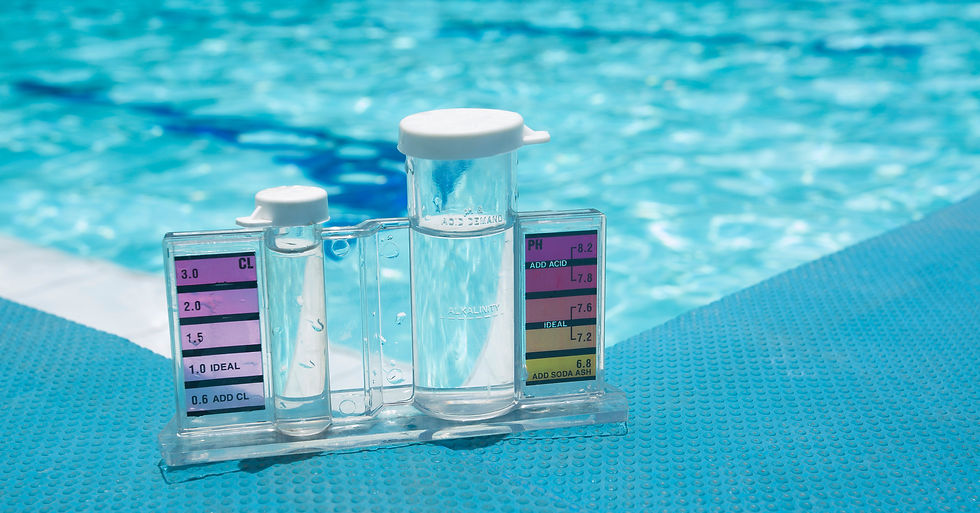
Yes. Home test kits are useful for routine checks and can help you monitor your pool between professional services.
However, professional water testing is generally more accurate and includes additional parameters that many home kits don't measure. A professional can also identify issues before they become expensive problems.
How Versed Pools Helps
If you're tired of constantly checking chemicals or you're unsure whether your pool is properly balanced, our regular pool maintenance service takes the guesswork out of pool care.
Every service includes professional water testing, chemical balancing, equipment checks, and expert advice to keep your pool clean, healthy and ready to enjoy.
Learn more about our professional pool maintenance services on our Services page and discover how we can keep your pool in top condition throughout the year.
Need Help Keeping Your Pool Balanced?
Whether you need regular pool servicing, a one-off clean, or help recovering a green pool, Versed Pools provides reliable pool maintenance throughout Canberra, Queanbeyan, Googong, Bungendore and surrounding areas.
Visit our Services page to see how we can help, or contact us today for a free quote.
Frequently Asked Questions
Is testing my pool once a month enough?
During summer, no. Pool water chemistry can change within days due to heat, sunlight and swimmer use. Most pools should be tested at least once or twice a week during the warmer months.
What happens if my pool water is out of balance?
Unbalanced water can cause algae growth, cloudy water, damaged equipment, corrosion, scaling and uncomfortable swimming conditions.
Does rain affect pool chemistry?
Yes. Heavy rain can dilute chemicals, change your pool's pH and alkalinity, and introduce contaminants that increase chlorine demand.
Should I still test my pool in winter?
Yes. Although your pool uses fewer chemicals during winter, regular testing helps prevent problems from developing before swimming season returns.


Comments